How to Stay Safe When Trading Online: 7 Practical Security Tips
Online trading makes it easier than ever to manage investments. You can check market movements, place trades, and review your portfolio from almost anywhere.
But that convenience also comes with security risks.
A convincing phishing email, a weak password, or an unfamiliar trading platform can put your account and personal information at risk. And when real money is involved, even a small mistake can have serious consequences.
The good news is that improving your online trading security doesn’t require advanced technical knowledge. A few practical habits can make a meaningful difference.
Here are seven ways to protect your accounts, financial information, and devices when trading online.
1. Choose a Trading Platform You Can Trust
Before opening an account or depositing money, take some time to research the platform you’re considering.
A professional-looking website doesn’t necessarily mean a company is legitimate. Fraudulent trading platforms can have polished designs, realistic market charts, and customer support teams that appear convincing.
Start by checking whether the company is registered or authorized by the appropriate financial regulator in your country.
Don’t rely entirely on the information displayed on the platform’s website. Visit the regulator’s official website and search for the company’s name yourself.
It’s also worth reviewing a few practical details:
- Account security: Does the platform offer two-factor authentication and login notifications?
- Withdrawal policies: Are the requirements, processing times, and fees clearly explained?
- Customer support: Can you contact the company through an official, verifiable channel?
- Company information: Does the platform provide clear details about the business operating it?
- User feedback: Are there repeated complaints about unexpected charges, account restrictions, or withdrawal problems?
Be particularly careful with platforms promising guaranteed profits or unusually high returns.
Financial markets involve risk, and legitimate providers should be transparent about it.
2. Strengthen Your Account Login Security
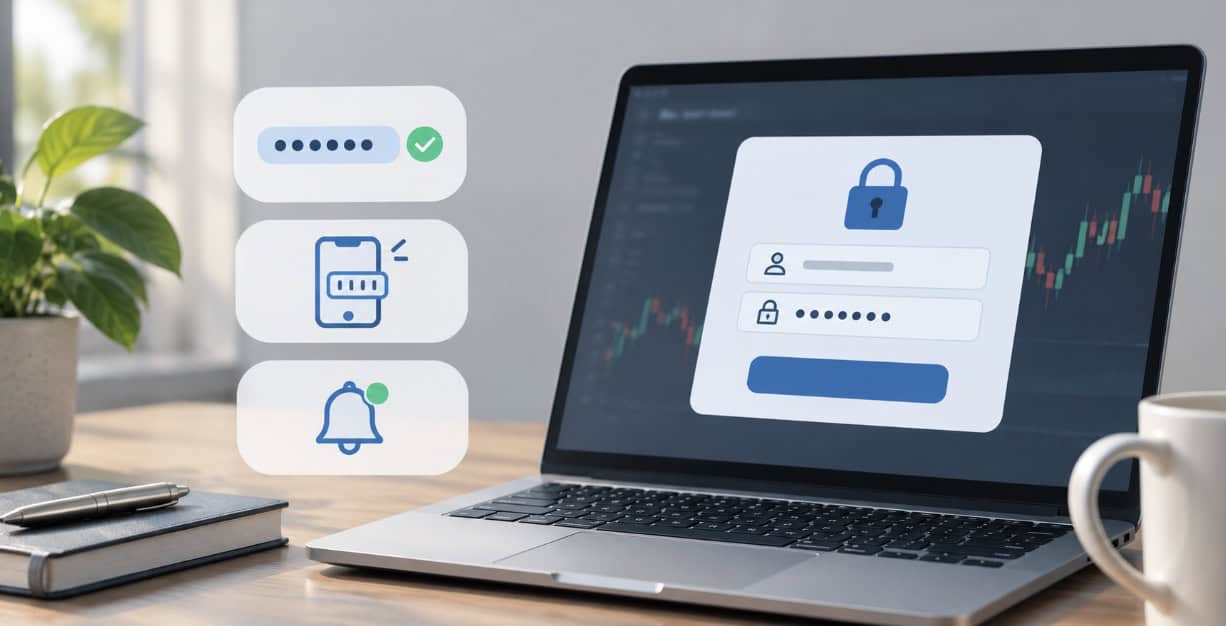
Your trading account may contain more than your investments. It can also store your name, contact details, identity documents, and banking information.
That makes account security especially important.
The network you use to access your account matters, too. If you sometimes check your investments over shared Wi-Fi, a free option from X-VPN can encrypt traffic between your device and the VPN server, adding privacy to your connection. However, it won’t protect against phishing websites or stolen passwords.
Start with a strong, unique password. Avoid reusing a password from your email, social media, or other financial accounts.
Next, enable two-factor authentication (2FA).
This adds another verification step when you sign in. Depending on the platform, you might approve a notification, enter a code from an authenticator app, or use a passkey.
An authenticator app is generally a better choice than SMS when both are available, since text messages can be vulnerable to certain account takeover attacks.
You should also check whether your trading platform supports login alerts. These notifications can help you identify an unfamiliar sign-in before someone makes changes to your account.
One final habit is easy to overlook: never share authentication codes with anyone, even if they claim to work for customer support.
Legitimate support staff should not need your password or one-time login code.
3. Learn to Recognize Trading Scams and Phishing Attempts
Not every online security threat involves sophisticated software.
Sometimes, an attacker simply needs to convince you to click a link.
Imagine receiving an email that appears to come from your trading platform. It warns that unusual activity has been detected and asks you to verify your identity immediately.
The message includes a button leading to what looks like the official login page.
You enter your username and password, only to discover later that the website was fraudulent.
This is a common phishing technique.
Attackers often create a sense of urgency to stop people from checking the details carefully.
Watch out for messages that:
- Claim your account will be suspended unless you act immediately.
- Ask you to confirm passwords, authentication codes, or payment information.
- Direct you to unfamiliar websites that imitate legitimate trading platforms.
- Promise special investment opportunities requiring immediate payment.
- Arrive unexpectedly through messaging apps or social media.
If you’re unsure whether a message is genuine, don’t use its links.
Instead, open your trading platform through its official app or a bookmark you created earlier.
You can then check for account notifications or contact customer support directly.
Also remember that a website using HTTPS isn’t automatically trustworthy. Fraudulent websites can use encrypted connections too.
Checking the actual website address and the source of a message matters just as much.
4. Use Secure Internet Connections When Trading
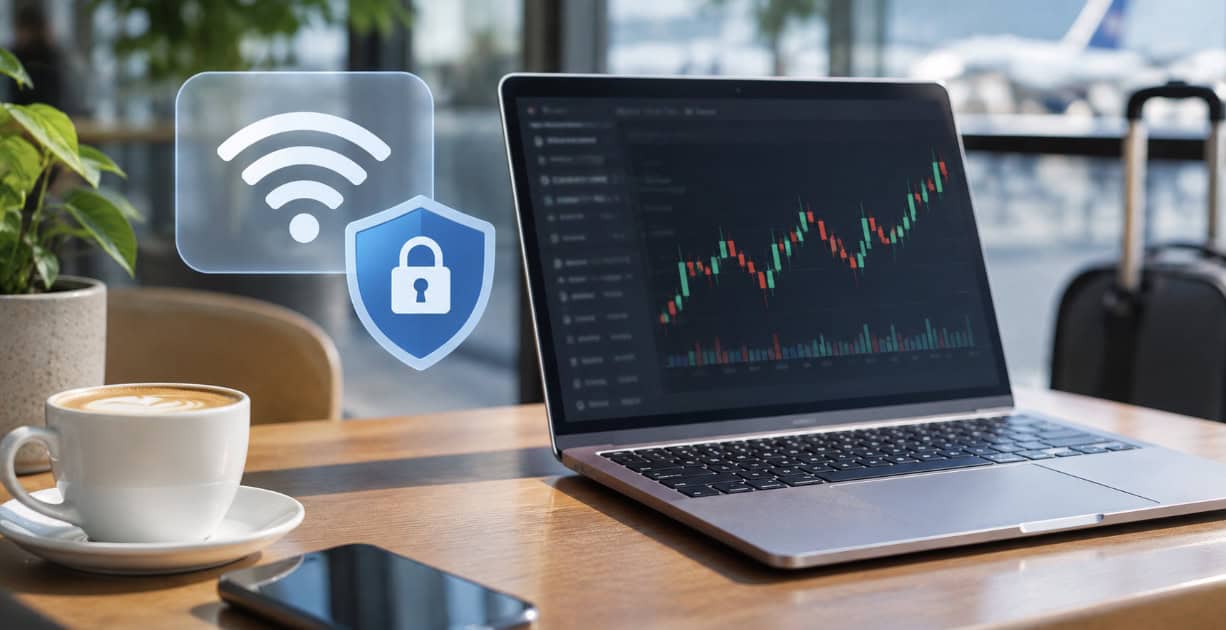
It’s common to check market prices or manage investments while traveling, commuting, or working outside the office.
However, not every internet connection deserves the same level of trust.
Public Wi-Fi networks in cafés, hotels, and airports can be convenient, but it’s important to verify that you’re connecting to the correct network.
Someone could create a wireless network with a name similar to the official one, hoping visitors will connect without noticing the difference.
Before joining a shared network, confirm its name with the business or venue.
When possible, use your personal mobile connection for sensitive financial activities.
It’s also important to check that you’re using the official trading app or website before entering any account information. Avoid signing in through unfamiliar links, even when the network itself appears trustworthy.
These precautions are especially useful when managing investments away from home.
Keep in mind that a VPN doesn’t protect you from fraudulent websites, stolen passwords, or investment scams. You still need to verify where you’re signing in and follow your platform’s security recommendations.
It’s also worth checking that you’re using the official trading app or website before entering any account information.
These precautions are especially useful when managing investments away from home.
5. Keep Your Devices and Trading Apps Updated
Your trading account can be well protected, but an outdated device may still create security problems.
Software updates often include fixes for vulnerabilities that attackers could otherwise exploit.
This applies to your operating system, web browser, trading apps, and other software you use regularly.
For example, if a browser has an unpatched security vulnerability, visiting a malicious website could expose your device to unnecessary risk.
Keeping everything updated reduces your exposure to known problems.
A few habits can help:
- Enable automatic updates: Let your device install important security fixes when they’re available.
- Download apps from trusted sources: Use official app stores or links provided by the trading platform.
- Remove unused extensions: Browser extensions may have access to information on the pages you visit, depending on their permissions.
- Lock your devices: Use a strong passcode, fingerprint, or facial recognition.
- Avoid unfamiliar downloads: Be cautious with files advertised as trading tools, market indicators, or account verification software.
Be especially careful with applications promoted through unsolicited messages.
A tool promising to improve your trading results may actually be designed to steal login information or install unwanted software.
If you use the same computer for work, entertainment, and investing, keeping your software organized and updated becomes even more important.
6. Protect Your Personal and Financial Information
Opening a trading account often requires personal identification and financial details.
Depending on the provider and local regulations, you may be asked to submit your address, identification documents, or bank account information.
These requirements can be legitimate, but the information should only be submitted through verified channels.
Before uploading sensitive documents, make sure you’re using the platform’s official website or app.
Avoid sending identification photos, bank statements, or payment details through personal messaging accounts unless you’ve independently verified the request and the channel is appropriate.
You should also be thoughtful about what you share publicly.
For example, posting screenshots of your trading dashboard might reveal account balances, transaction references, or other information you didn’t intend to disclose.
Even small details can become useful to scammers when combined with information from other sources.
Another important step is separating your financial accounts from everyday online activity.
Consider using a dedicated email address for banking and trading services. This can make legitimate account notifications easier to recognize and reduce the number of places where your financial login details are exposed.
It’s not a substitute for strong authentication, but it can make your accounts easier to manage securely.
Finally, avoid storing sensitive account documents in unprotected shared folders or leaving them accessible on devices used by other people.
7. Monitor Your Account for Unusual Activity
Security doesn’t end after you’ve created a strong password and enabled authentication.
It’s equally important to notice when something changes.
Make a habit of reviewing your trading account activity, especially after receiving an unexpected notification.
Look for unfamiliar login sessions, changes to contact information, new withdrawal instructions, or transactions you don’t recognize.
Some platforms provide a record of devices and locations associated with recent logins.
If that information is available, review it occasionally and sign out of sessions you no longer use.
You can also enable account alerts for important activities, such as:
- New sign-ins or password changes.
- Withdrawal requests.
- Changes to linked payment methods.
- Unusual account activity.
These alerts won’t prevent every incident, but they can help you respond sooner.
If you notice something suspicious, access the platform directly through its official website or app rather than following links in a notification.
Change your password if necessary, review active sessions, and contact the platform’s security team.
If you suspect your banking information has been compromised, contact your bank through its official support channels as well.
Acting quickly can help limit further unauthorized activity, although the available protections and recovery options depend on the platform and circumstances.
Make Online Trading Security Part of Your Routine
Staying safe while trading online isn’t about finding one tool that solves every security problem.
It’s about building habits that work together.
Choosing trustworthy platforms helps reduce your exposure to fraudulent services. Strong authentication makes account takeovers more difficult, while regular updates and careful browsing reduce common device and phishing risks.
Secure internet connections and account monitoring add further protection, especially if you frequently manage investments from different locations.
You don’t need to change everything at once.
Start by reviewing your current trading accounts. Check your authentication settings, update any reused passwords, and make sure important account notifications are enabled.
Then keep these security practices in mind whenever you trade.
A few minutes spent on prevention can save you considerable trouble later.
This is a sponsored article. Opinions expressed are solely those of the sponsor, and readers should conduct their own due diligence before taking any action based on information presented in this article.
 Brave New Coin reaches 1M+ engaged crypto enthusiasts a month through our website, podcast, newsletters, and YouTube. Get your brand in front of key decision-makers and early adopters in 2026. Limited slots remaining! Find out more today!